Five Years, Five Servers, Zero Licensing Fees: The Real Ledger on Community Linux

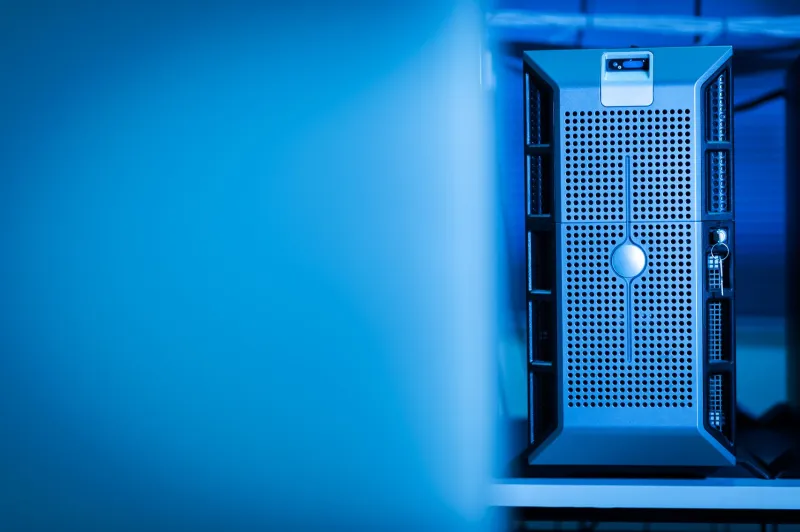
Photo: BalticServers.com, CC BY-SA 3.0, via Wikimedia Commons
Free is a seductive word in budget meetings. When a CIO approves Debian or Rocky Linux for a production server, the line item reads $0 — and compared to a RHEL or Ubuntu Pro subscription, it genuinely is. But over five years of running five community-distro servers in parallel, we learned that the real cost lives in spreadsheets nobody files: admin hours, unplanned downtime windows, and the quiet tax of security triage without a vendor on the other end of the phone.
The Test Bed
Five identical machines, five distributions, one data center in the Midwest, one colo in Virginia. Debian 11 (later 12), Rocky Linux 8 then 9, AlmaLinux 8 then 9, openSUSE Leap 15.3 through 15.5, and Fedora Server, upgraded on its release cadence. Each ran a similar workload: a web tier, a database, and standard observability agents. We logged every hour of administration, every minute of downtime, and every security patch cycle.
Where the Hours Go
The single biggest hidden cost is labor. Debian Stable was the hands-down winner here — our Debian box averaged roughly 45 minutes of administrative attention per month across five years. Point releases were boring in the best possible way. Rocky and AlmaLinux tracked closely, benefiting from their RHEL-derived predictability, though each major version jump (8 to 9) required a rebuild rather than an in-place upgrade, costing us about six hours of migration work per machine.
Fedora Server was the outlier in the opposite direction. Two major upgrades per year, each requiring staging, testing, and a maintenance window, consumed nearly four times the admin hours of Debian. It was never unstable — but it was never quiet, either.
Downtime: The Number Nobody Budgets
Across the lifecycle, scheduled downtime for updates and upgrades totaled:
- Debian Stable: ~3.5 hours over five years
- Rocky/AlmaLinux: ~5 hours each, including one version rebuild
- openSUSE Leap: ~6 hours, aided by genuinely excellent rollback tooling
- Fedora Server: ~14 hours, driven by its semiannual cadence
Unscheduled downtime was rare across the board, but recovery from the two incidents we did experience was measurably slower on the community distros. With a paid subscription, a severity-one ticket gets a vendor engineer engaged within an hour. With Rocky and AlmaLinux, our escalation path was upstream knowledge-base articles and community forums. We resolved both incidents ourselves — but it took a senior admin most of a night to do what a vendor would likely have scripted in ninety minutes.
Security Triage Without a Safety Net
All five distros shipped timely security patches. The difference was in attribution and assurance. Commercial vendors provide CVE impact analysis, backport documentation, and in some cases indemnification. On the community side, our team performed that analysis ourselves. Multiply that triage time across hundreds of CVEs a year and you're looking at one to two weeks of aggregate engineering effort annually — salaried time that never appears on a licensing invoice.
The Verdict: When Free Is Genuinely Free
If you employ capable system administrators anyway — and most US mid-market shops do — community Linux is an extraordinary bargain. Debian and the RHEL rebuilds delivered five years of production service at roughly 15–20% of the total cost of ownership of a subscription distro, once labor was priced in.
Where free stops being free: lean IT teams without deep Linux expertise, environments with contractual uptime guarantees, and shops subject to audits that expect vendor support documentation. Fedora Server, meanwhile, deserves its reputation as a superb engineering platform — but treat it as a workstation and lab distro, not a five-year server commitment.
The $0 license is real. Just make sure you've budgeted for everything that comes after it.